It all starts from the garment
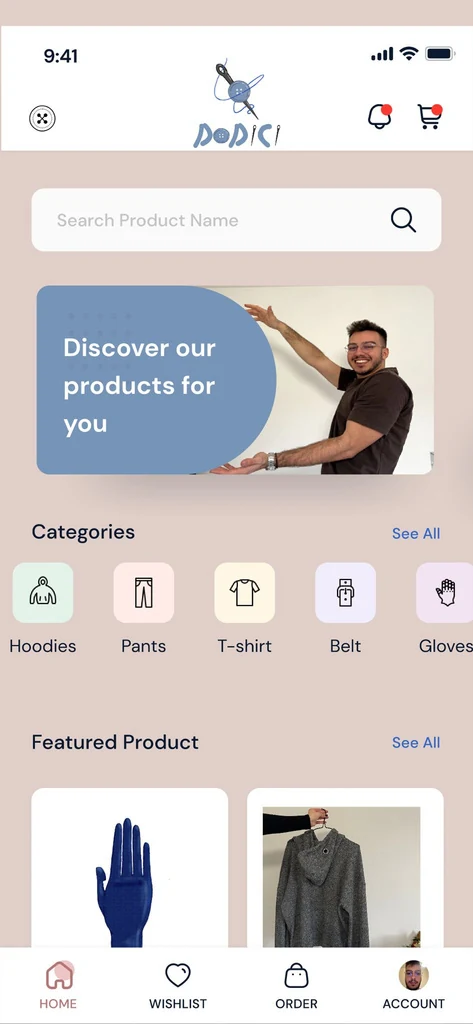
Search, categories by type of clothing (sweatshirts, trousers, T-shirts, belts, gloves, shirts) and featured products.
Case study · UX Research · Adaptive fashion
the virtual tailor
An app that helps wheelchair users adapt their own clothes: ready-adapted garments, tools, tutorials and, when needed, a tailor near home.
Open the Figma prototype (opens in a new tab)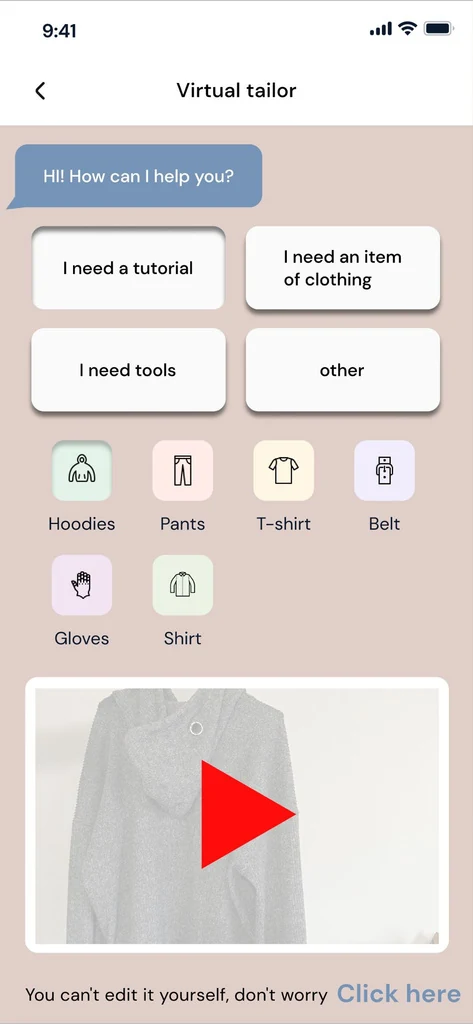
The brief
The brief asked for a fashion concept that supported inclusion, diversity and belonging. We chose to work on people who get dressed while sitting: for many people with motor disabilities, zips, buttons and standard cuts make it hard to dress on their own.
people with severe limitations in their usual activities.
with non-severe limitations. Together they are about one person in five.
are women: 1.78 million against 1.23 million men.
Source: ISTAT, Disabilità in cifre, table a.1 (2018 and 2021). Calculation based on absolute values by sex.
It started as DIY: adapting ordinary clothes to the needs of the people who wear them. Over time it became “design for all”. The point is not only zips and magnetic buttons, but the right to comfortable clothes that also have an identity.
Inspired by the article by Elisa Fulco in Lampoon, 2023.
“Someone who can make you clothes from scratch, made to measure.”
The ideas included body scanning, physical measuring points, a tailoring school and a community of users, tailors and companies. This note gave life to the figure of the tailor.
The research · my contribution
I worked on the research phase: understanding the problem from the inside, with the body before the data, and turning it into a clear design question.
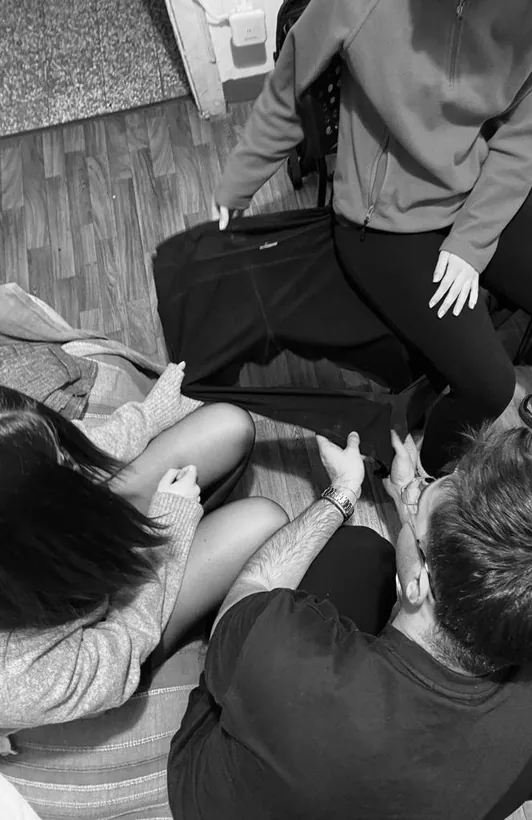
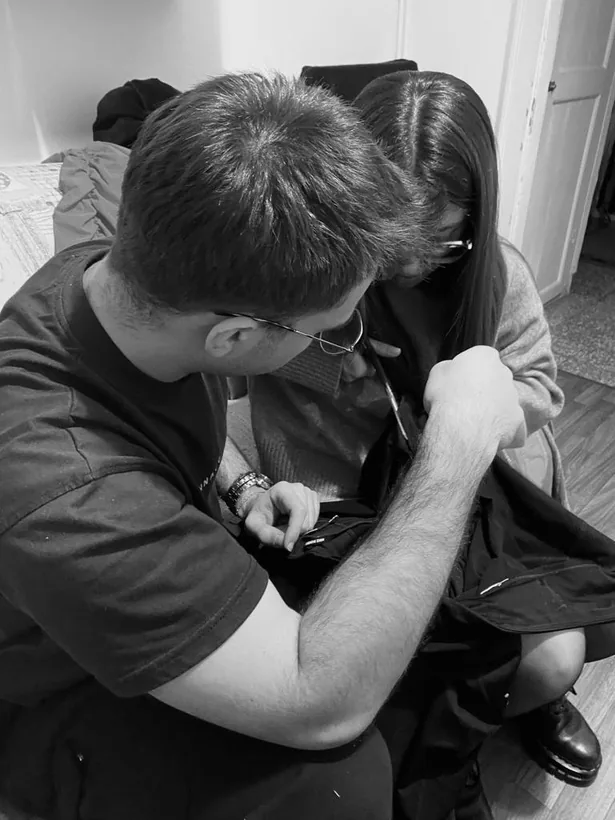
We used several techniques in parallel. Bodystorming made us try to put on trousers and sweatshirts without getting up from the floor. Involving an extreme user, a young man in a wheelchair, gave every choice real feedback.
Defining the problem · 5 whys
We started from the goal and asked “why?” five times. At the bottom there was no technical problem, but a lack of research and data on this audience.
Help people with permanent, temporary or situational motor disabilities to dress on their own.
Why are some clothes not easy to put on independently?
Because they have elements, such as zips and buttons, that make them hard to put on.
Why do companies make these garments?
Because standard production does not consider the needs of people with motor difficulties.
Why are these people not considered?
Because standard production reduces costs and companies do not see that part of the market as profitable.
Why do they not consider it profitable?
Because they do not see custom cuts as a source of income. The only customisation available today is aesthetic.
Why do they not invest in customisation?
Because they do not do enough research to have the data needed for functional customisation designed for this target group.
How might we customise everyday clothes to make them more comfortable for wheelchair users?
Prototyping
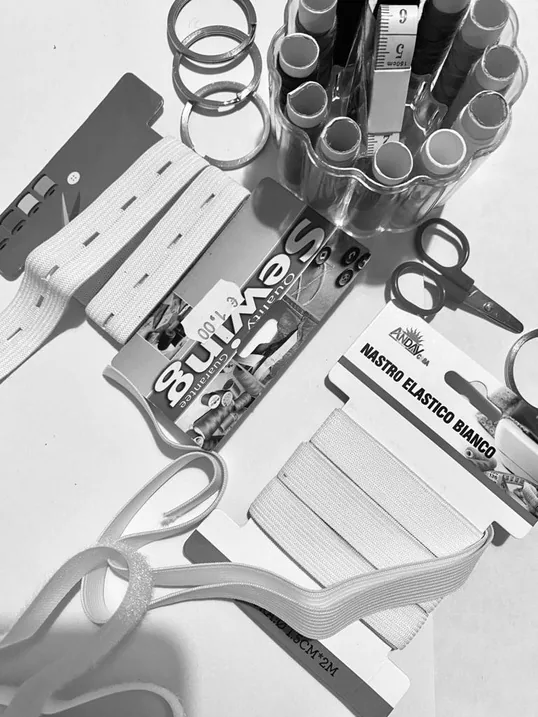
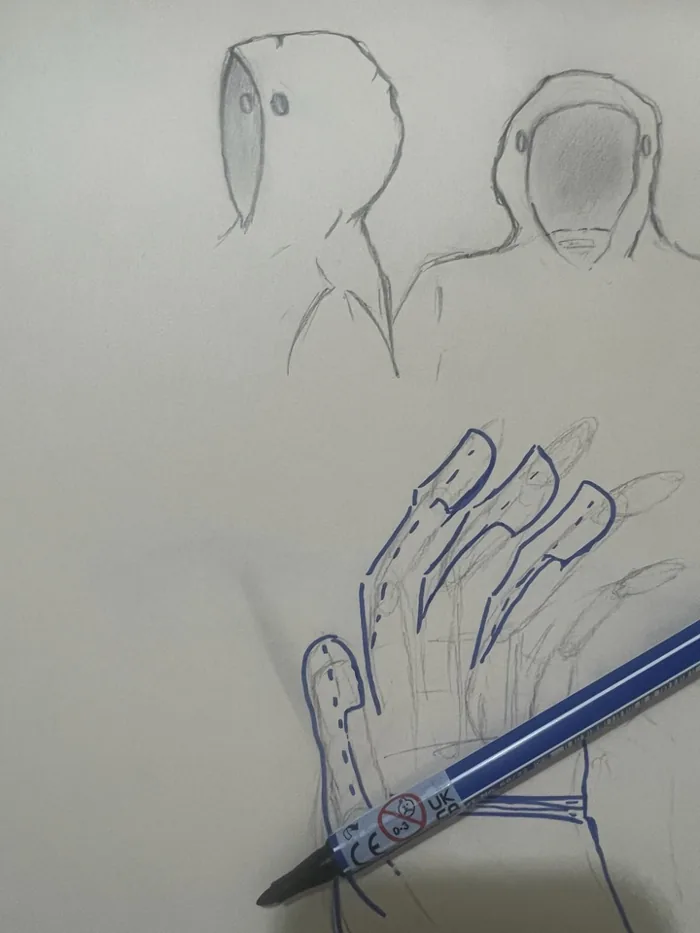
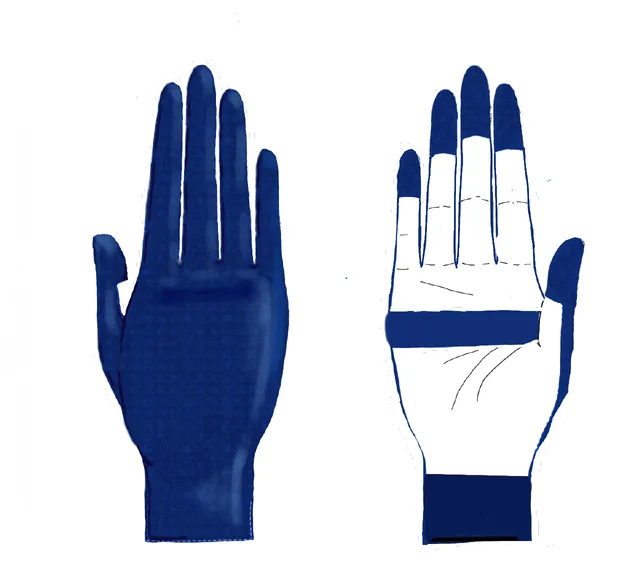
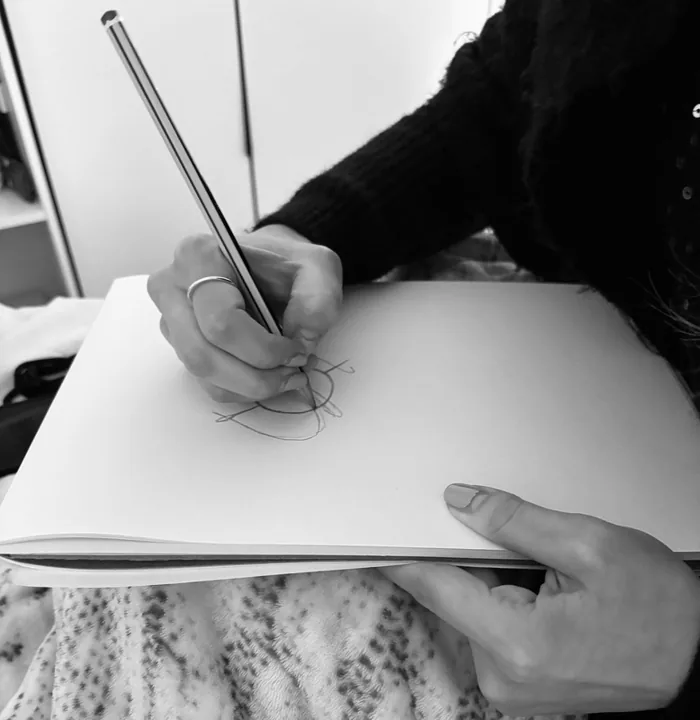
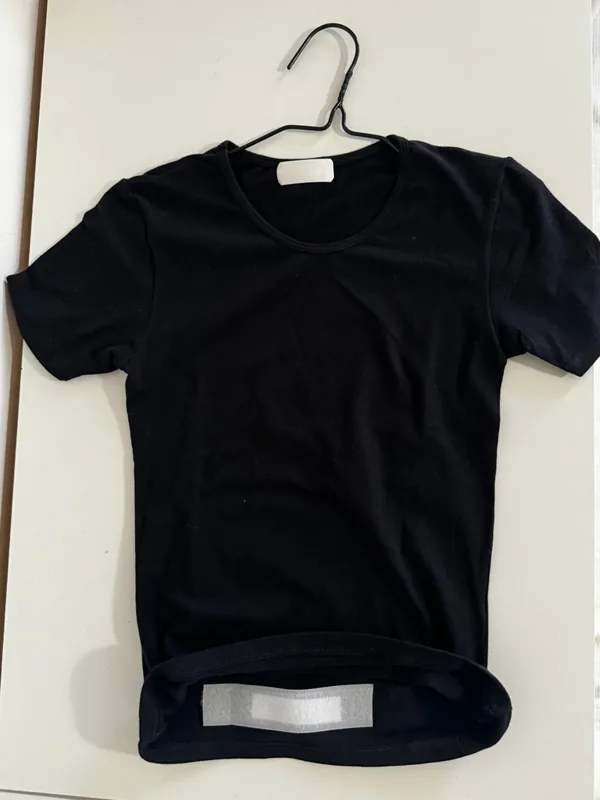
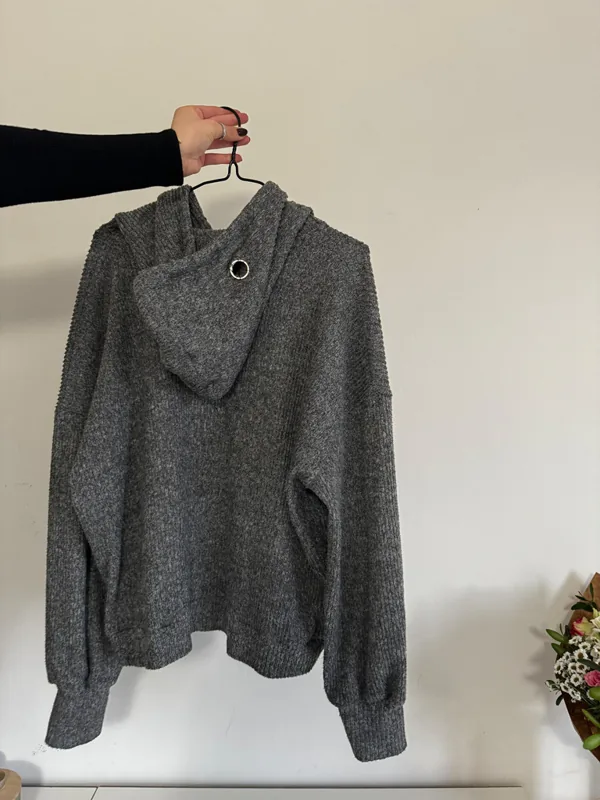
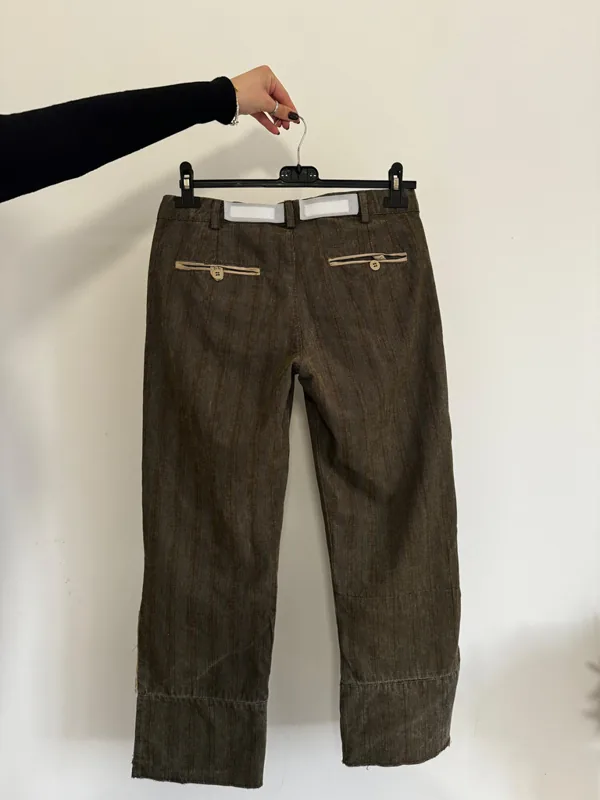
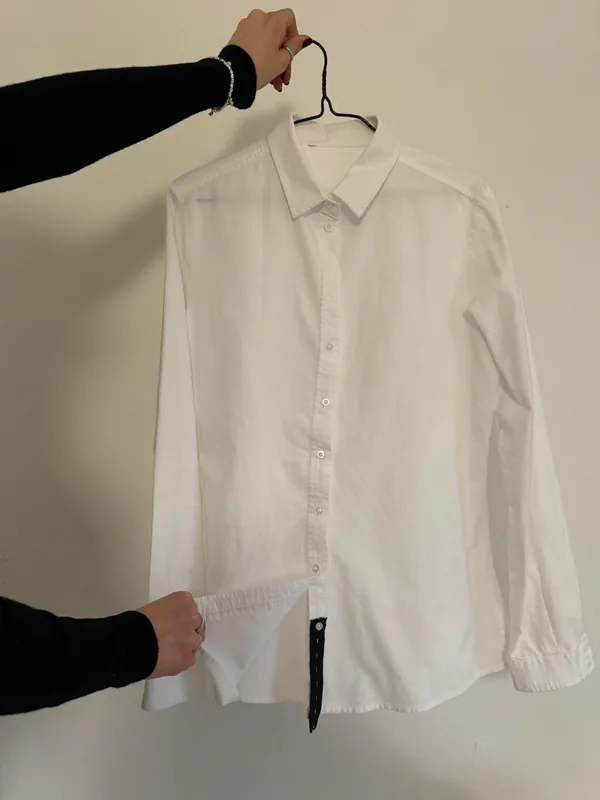
After an interview with the extreme user, we sketched the first solutions on paper and digitally. Then we bought the materials and modified real garments.
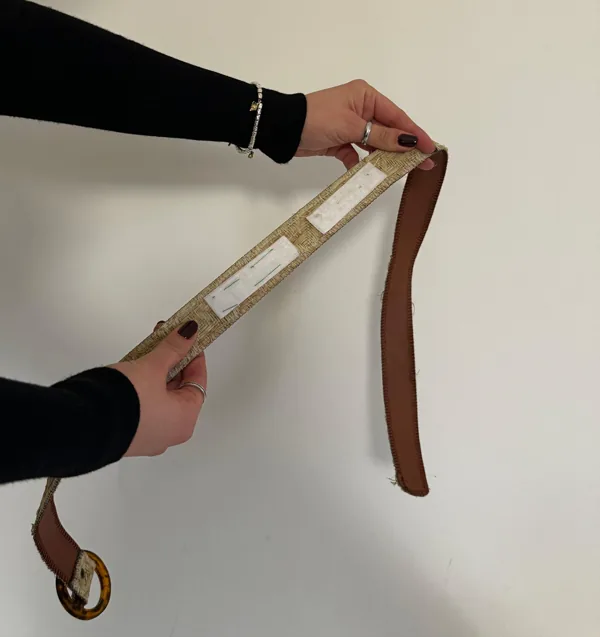
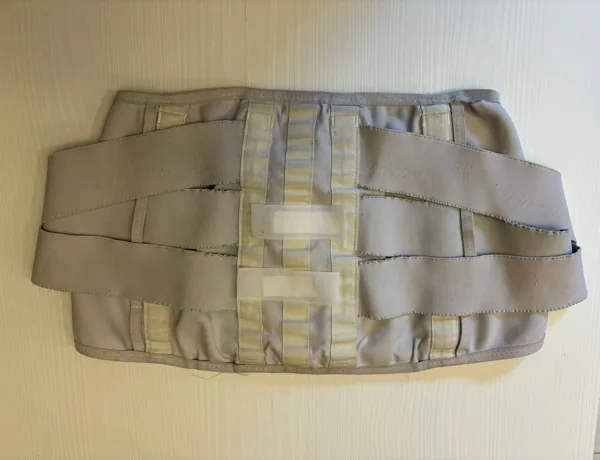
Testing with the extreme user
We went back to our first extreme user and asked him to try the solutions on his own clothes, in his home and on his wheelchair.
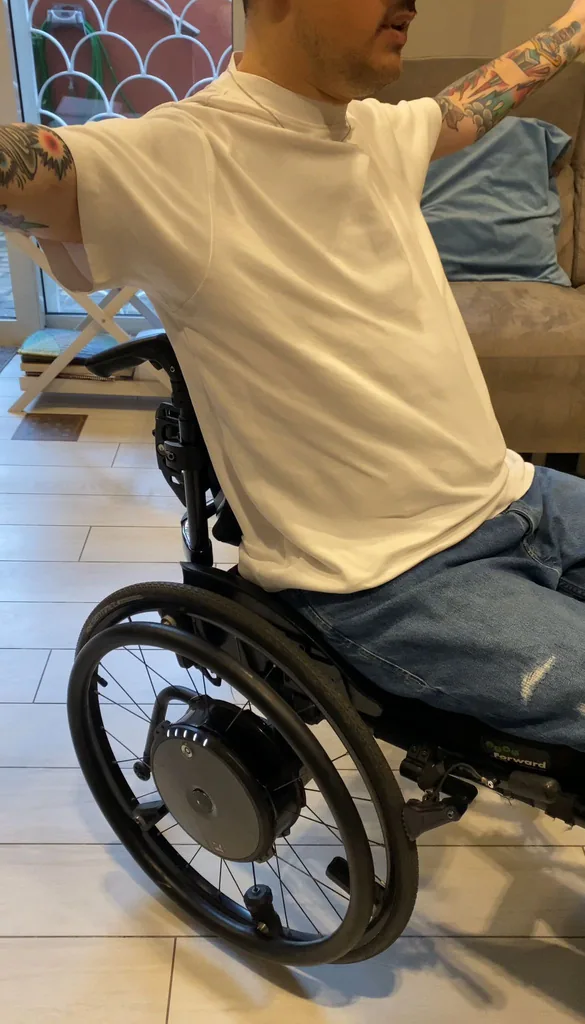
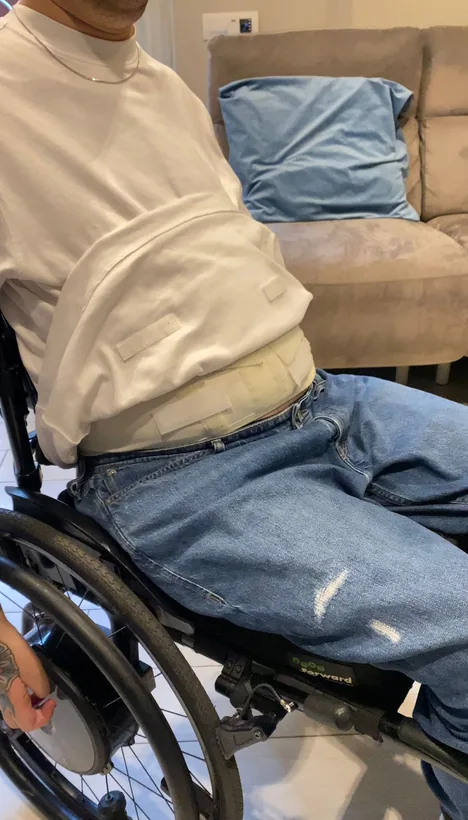
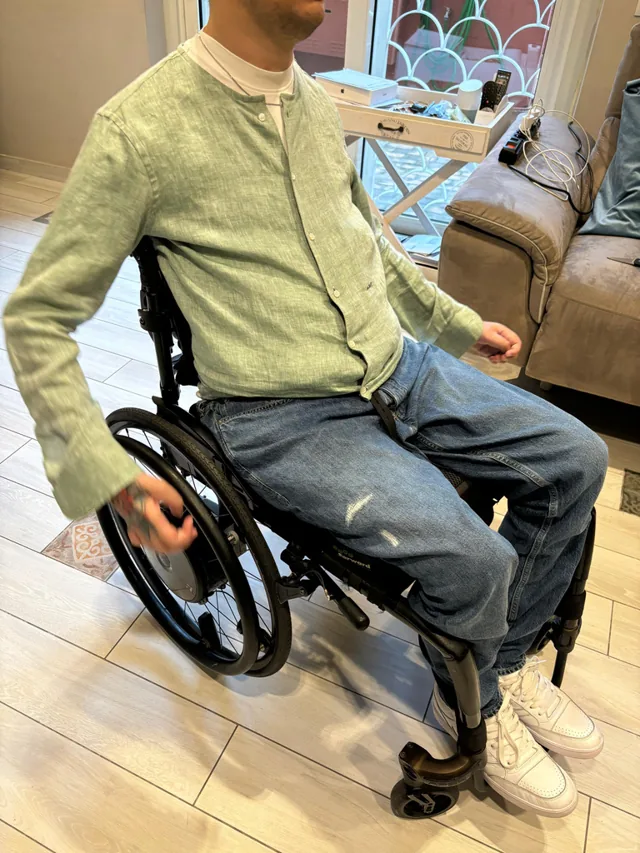
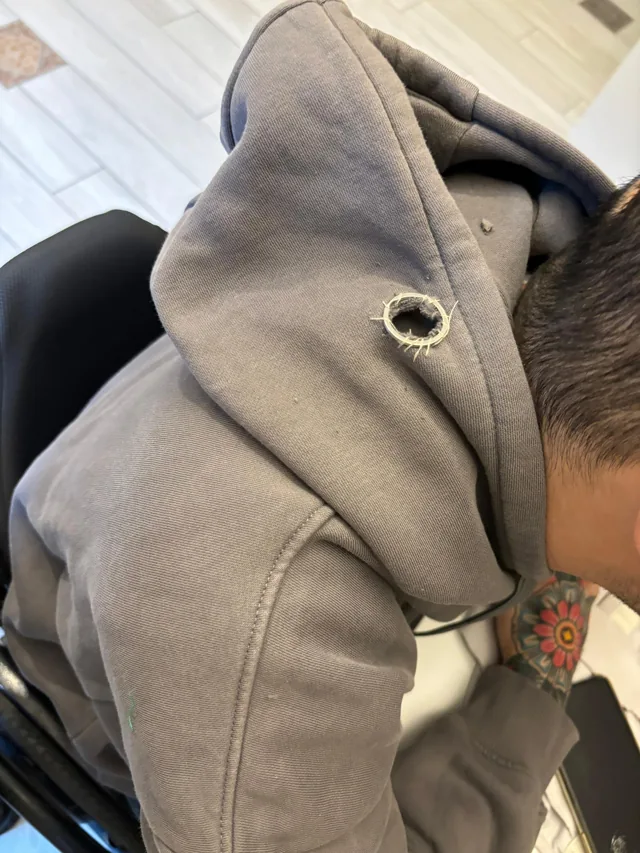
“It’s nice to think that someone is thinking about it.”Marco Ostilio La Croix, extreme user
The solution
DODICI brings together three paths: buy a ready-adapted garment, adapt it yourself with tools and tutorials, or take it to a nearby tailor. The Virtual Tailor helps you choose the right one.
Search, categories by type of clothing (sweatshirts, trousers, T-shirts, belts, gloves, shirts) and featured products.
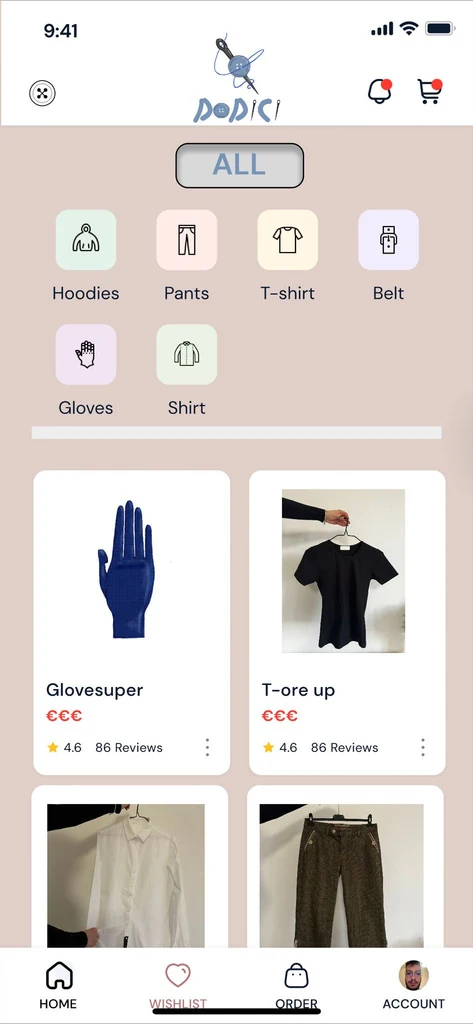
Each product comes from the tested prototypes, like the Glovesuper glove, with reviews from the people who use them.
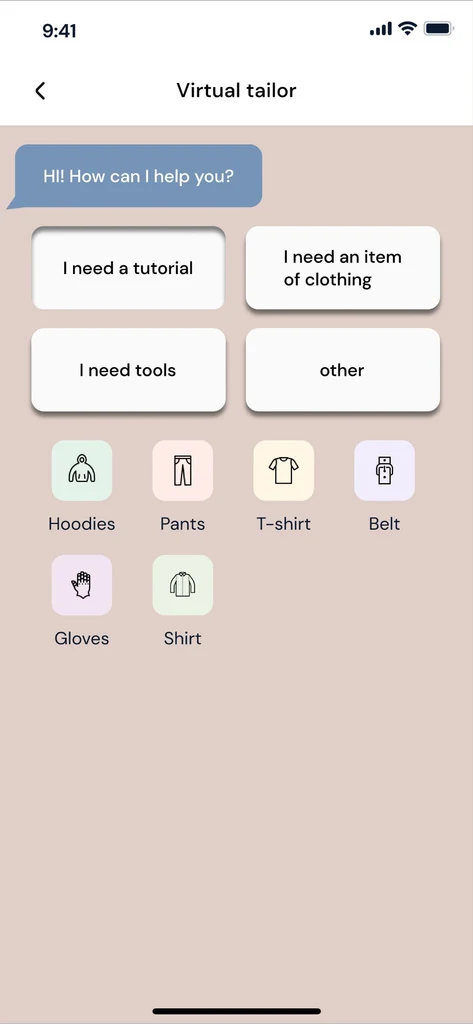
Large buttons and ready-made answers, to ask for help without having to type.
Step-by-step videos for each type of garment. Below, an exit that is always visible: “Can’t do it on your own? Click here”.
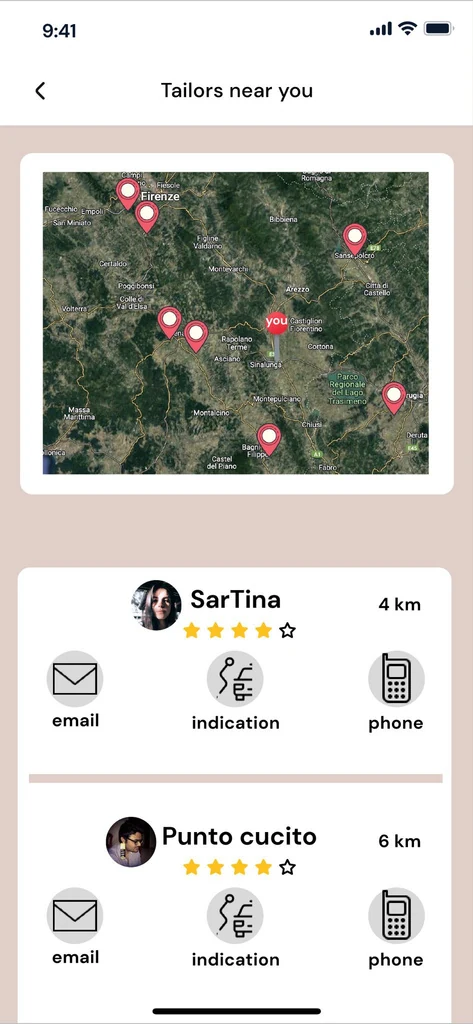
Map of workshops with distance, rating and three actions: email, directions and phone.
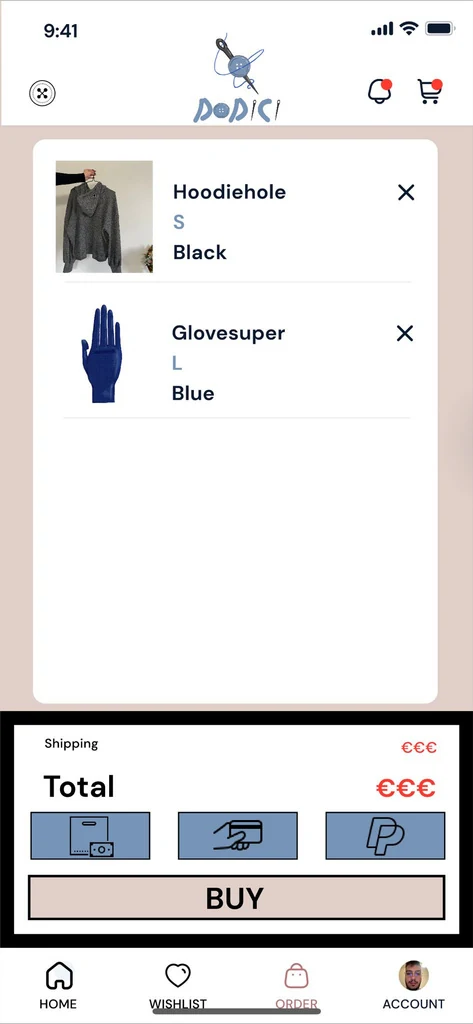
Size and colour shown clearly, removal with an X, payment methods as large buttons.
Identity
Outcomes
For the team, it was the first real encounter with the world of disability. Without budget constraints, we could put people’s real needs at the centre, and we discovered how few do so.